
Meta Expands Muse Agent With Video Chat, Glasses, Charm
Meta expanded its Muse AI agent at Connect 2026 with video chat, smart glasses, Mac control, and a Muse Charm wearable shipping in December.
Meta expanded its Muse AI agent at Connect 2026 with video chat, smart glasses, Mac control, and a Muse Charm wearable shipping in December.
Introduction
Meta closed out its Connect 2026 keynote in Menlo Park on September 23, 2026 by loading up Muse, the personal AI agent it launched only a few weeks earlier, with a wave of new capabilities. CEO Mark Zuckerberg framed Muse — whose on-screen avatar is named Jolly — as "the centerpiece of our vision," telling the audience he expects it to "grow into the personal superintelligence" that billions of people use to manage their daily lives. The updates span software (a video-chat avatar, Mac desktop control, its own email address), a new hardware surface (Meta's smart glasses), and a brand-new standalone gadget, the Muse Charm. Most of what Meta showed on stage is not available today; the company attached specific but staggered timelines to nearly every feature.
Feature Overview
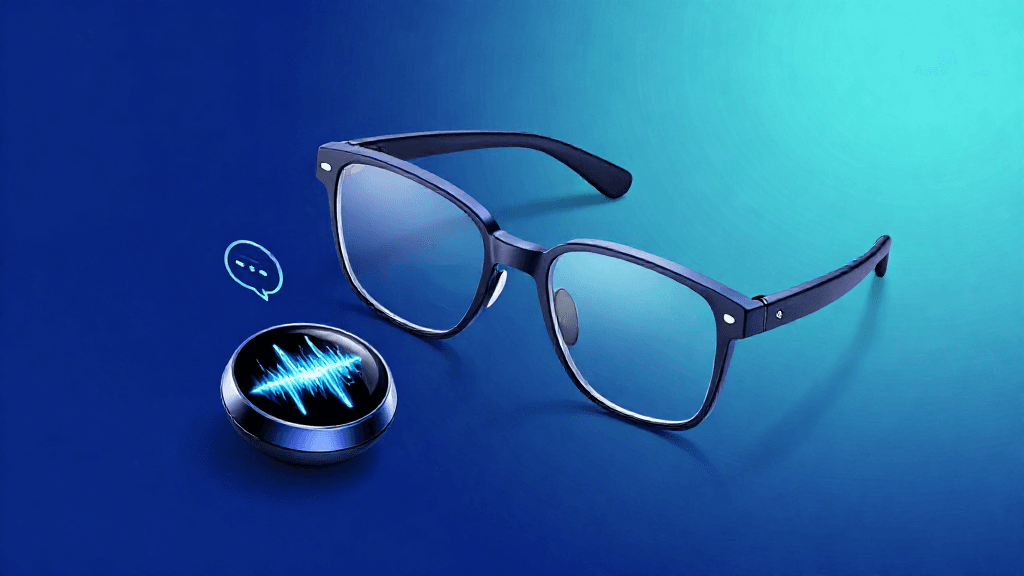
The most attention-grabbing addition is a way to talk to Muse face-to-face. A new AI model called Muse Realtime Avatar will let users assign a voice to go with the avatar appearance they can already customize, and will power live video conversations with that avatar — Meta demoed the feature on stage but described it as coming "soon" rather than available immediately. Muse is also headed to Meta's smart-glasses lineup: users will be able to activate the agent with a wake word to get a personalized workout, log a meal, book an appointment, or get help buying something they're looking at, with Muse working in the background and checking back in when a task is done. Meta gave this feature the vaguest timeline of the day, saying only that it will arrive "in the coming months."
On the desktop side, Meta is expanding its recently launched Muse Mac app so the agent can operate any application on a user's computer rather than a limited set of tasks. Chief AI officer Alexandr Wang described it on stage: "You can walk away from your computer and it keeps working for you on all the jobs you lined up." Muse is also getting its own email address so it can be added to threads or receive forwarded messages, a feature Wang said is coming "soon" without a firmer date. On commerce, Meta described several integrations in the present tense — full Shopify catalog access via Lync and Shop Pay, PayPal support, and retail partnerships with Best Buy, Gap, Sephora, Walmart, and Wayfair — while flagging Instacart as still "soon." Meta says it opened its connector platform to outside developers and received more than 1,500 applications in under a week, with GitHub, Granola, and Notion already listed as connectors.
The keynote's final reveal was Muse Charm, a keychain-sized wearable with a small screen displaying the Jolly avatar, a fingerprint sensor, and built-in speakers and microphones — effectively the full Muse voice-and-avatar experience packed into a pocketable device that doesn't require unlocking a phone. Zuckerberg said the team packed "the whole real-time voice and avatar stack into something that fits on a keychain," and that units will be "ready to ship in time for the holidays in December." Meta has not announced pricing, battery life, connectivity details, or whether Muse Charm needs to pair with a phone.
Usability Analysis
For existing Muse users, this update mostly reshuffles when and where they'll be able to reach the agent rather than changing what it can do today. Anyone hoping to try video chat, glasses integration, or full Mac control on September 23 will be waiting — Meta's own language ("soon," "coming months," "December") makes clear these are staged rollouts, not same-day ships. The shopping integrations appear to be the most mature part of the update, since Meta described Shopify and PayPal support in the present tense rather than as a future promise. The Muse Charm is the most novel piece conceptually — a dedicated, always-available voice device the size of a keychain fob — but with no price or hardware specs yet, it's hard to judge how it fits next to a phone or smart glasses that can already run Muse.
Pros and Cons
Meta is moving quickly to make Muse's underlying model, Muse Spark, reachable from more places — a phone chat window, a Mac desktop, smart glasses, email, and now a dedicated wearable — while also locking down real commerce partnerships with payment processors and major retailers. The trade-off is that most of what generated headlines at Connect isn't usable yet, and the announcement landed the same day Wired and Ars Technica reported that a macOS zero-day let any local app or terminal command hijack a user's Muse authentication token by redirecting where the agent's dictation gets transcribed — a flaw discovered by security researcher Patrick Wardle and patched by Meta more than 12 hours after the report went public.
Outlook
Muse's momentum going into Connect looks real: The Verge reported the agent was topping App Store charts and, citing outside reports, said it had been downloaded more than ChatGPT on mobile in its first 12 days. That gives Meta a reason to move fast, and Zuckerberg's stated business model — free access to "a huge number" of tokens, with Meta eventually taking a small fee from the transactions Muse completes — depends on habitual use across as many surfaces as possible. Whether the December-shipping Muse Charm becomes a genuine new device category or a niche accessory will likely hinge on price and battery life, neither of which Meta has disclosed. The macOS security disclosure is also a signal worth watching: as Muse gains deeper access to computers, glasses, and now a standalone device, the security bar for an agent capable of "whatever" an attacker wants, in Wardle's words, only gets higher.
Conclusion
This Connect update is Meta doubling down on Muse rather than reinventing it: more surfaces, more commerce partners, and one new gadget, layered onto the agent that launched just weeks earlier. Users already inside the Meta ecosystem — Ray-Ban Meta or Meta Glasses owners, Mac users, or anyone drawn in by Muse's early download numbers — are the most likely near-term beneficiaries once these features actually ship. Given how many of Wednesday's announcements are still "coming soon," and given the security flaw disclosed the same day, it's reasonable to wait for the video chat, glasses integration, and Muse Charm to actually reach users before judging how well any of it works.
Editor's Verdict
Meta Expands Muse Agent With Video Chat, Glasses, Charm is a workable proposition that fills a clear gap, even if it doesn't fundamentally change the landscape.
The strongest case for paying attention: video chat adds a genuinely new interaction mode, with live conversations with a customizable Muse avatar powered by the new Muse Realtime Avatar model on top of the existing chat interface. That alone raises the bar for what readers should expect in this space. Reinforcing that, the update extends Muse across more surfaces at once, including Mac desktop control, smart glasses, its own email address, and a dedicated wearable device — practical value rather than just headline appeal. The broader signal worth registering is straightforward: the expansion follows a fast launch, since Muse debuted only a few weeks earlier and, per The Verge, was reportedly downloaded more than ChatGPT on mobile in its first 12 days, which appears to be driving Meta's rapid follow-up. On the other side of the ledger, one constraint is real rather than a marketing footnote: most headline features — video chat, glasses integration, Mac desktop control, and the Muse Charm — are not available yet, with launch windows ranging from "soon" to December 2026. It should factor into any serious decision. Layered on top of that, security researcher Patrick Wardle disclosed a zero-day that let local apps or terminal commands hijack a user's Muse authentication token on macOS before Meta patched it, raising questions about how much security testing shipped with the original rollout — which narrows the set of teams for whom this is an obvious yes.
For multi-model deployment teams, cost-conscious operators, and developers willing to evaluate beyond the major labs, the smart move is to track its trajectory and revisit once the rough edges are filed down. For everyone else, the safer posture is to monitor coverage and revisit once the use cases that matter to your team are demonstrated in the wild.
Pros
- Video chat adds a genuinely new interaction mode, with live conversations with a customizable Muse avatar powered by the new Muse Realtime Avatar model on top of the existing chat interface
- The update extends Muse across more surfaces at once, including Mac desktop control, smart glasses, its own email address, and a dedicated wearable device
- Commerce integrations with Stripe, Shopify, PayPal, and retailers including Best Buy, Gap, Sephora, Walmart, and Wayfair give the agent real shopping reach
- The connector platform is now open to outside developers, and Meta says it received more than 1,500 applications in under a week
- The Muse Charm packs voice and avatar interaction into a keychain-sized device that doesn't require unlocking a phone to use
Cons
- Most headline features — video chat, glasses integration, Mac desktop control, and the Muse Charm — are not available yet, with launch windows ranging from "soon" to December 2026
- Security researcher Patrick Wardle disclosed a zero-day that let local apps or terminal commands hijack a user's Muse authentication token on macOS before Meta patched it, raising questions about how much security testing shipped with the original rollout
- Growth claims such as outperforming ChatGPT in downloads come from The Verge's reporting rather than Meta's own published figures
- No pricing has been announced for the Muse Charm device, and Meta has not disclosed its battery life or whether it needs to pair with a phone
References
Comments0
Key Features
1. Muse Realtime Avatar model enables live video conversations with a customizable Muse avatar, demoed on stage but coming "soon," not day-of. 2. Muse is coming to Meta's smart-glasses lineup via wake-word activation for workouts, meal logging, appointments, and shopping help, arriving "in the coming months." 3. The existing Muse Mac app is being expanded to let the agent operate any desktop application; Muse is also getting its own email address "soon." 4. Commerce integrations with Shopify, PayPal, and retailers including Best Buy, Gap, Sephora, Walmart, and Wayfair are described as already active, with Instacart still "soon"; over 1,500 developers applied to build connectors. 5. Muse Charm, a keychain-sized wearable with a screen, fingerprint sensor, and built-in voice/avatar stack, ships "in time for the holidays in December" with no price yet announced.
Key Insights
- The expansion follows a fast launch, since Muse debuted only a few weeks earlier and, per The Verge, was reportedly downloaded more than ChatGPT on mobile in its first 12 days, which appears to be driving Meta's rapid follow-up.
- Video chat feature is not live yet — Meta says live conversations with a Muse avatar, powered by the new Muse Realtime Avatar model, are coming "soon" rather than shipping the day of the announcement.
- Glasses integration has the vaguest timeline of the bunch: Meta says Muse will reach its smart-glasses lineup via wake-word activation only "in the coming months."
- Charm device is the most concrete new hardware: a keychain-sized wearable with a screen, fingerprint sensor, and built-in voice and avatar stack, which Zuckerberg says will ship "in time for the holidays in December" with no price yet announced.
- Business model rests on token volume, not subscriptions: Zuckerberg said Muse will stay free for "a huge number" of tokens while Meta expects to eventually profit from a small fee on the transactions Muse completes for users.
- Security flaw disclosed the same day undercuts Meta's messaging: a zero-day let any local app or terminal command hijack a user's Muse authentication token on macOS, and Meta shipped a hotfix more than 12 hours after the report went public.
- Commerce partnerships are the most mature piece of the update, with agentic checkout through Shopify and PayPal described in the present tense, versus Instacart integration that Meta says is still "soon."
- Developer interest was immediate: Meta says it received more than 1,500 applications to build Muse connectors within less than a week of opening the platform.
Was this review helpful?
Share
Related AI Reviews

Grok 4.7 Review: Same Price, Trails Fable 5.1 and GPT-6
xAI's Grok 4.7 keeps Grok 4.6's $2/$6 pricing on a larger base model, but Artificial Analysis scores it 46 versus 53 for Fable 5.1 and GPT-6.

Qwen3.8-Omni-Flash Undercuts Gemini Flash on Price
Alibaba's new omnimodal model prices at $0.15/$0.47 per million tokens, far below Gemini 3.8 Flash, with benchmarks that are close but mixed.

TypeSafe AI Launches Jev, a New System One Model
Ex-OpenAI researcher Diogo Almeida's TypeSafe AI released Jev in early access, a structured-decision model priced at $0.042 per million input tokens.

PrismML's Bonsai 2 27B Shrinks Qwen3.8 27B by More Than 9x
PrismML's Bonsai 2 27B compresses Qwen3.8 27B to 5.9GB, over 9x smaller, while retaining 98.2% of its full-precision benchmark performance.