
NVIDIA DLSS 5: The 'GPT Moment for Graphics' That Brings Generative AI to Real-Time Game Rendering
NVIDIA unveils DLSS 5 at GTC 2026, a neural rendering system that uses generative AI to infuse game pixels with photoreal lighting and materials in real time at 4K.
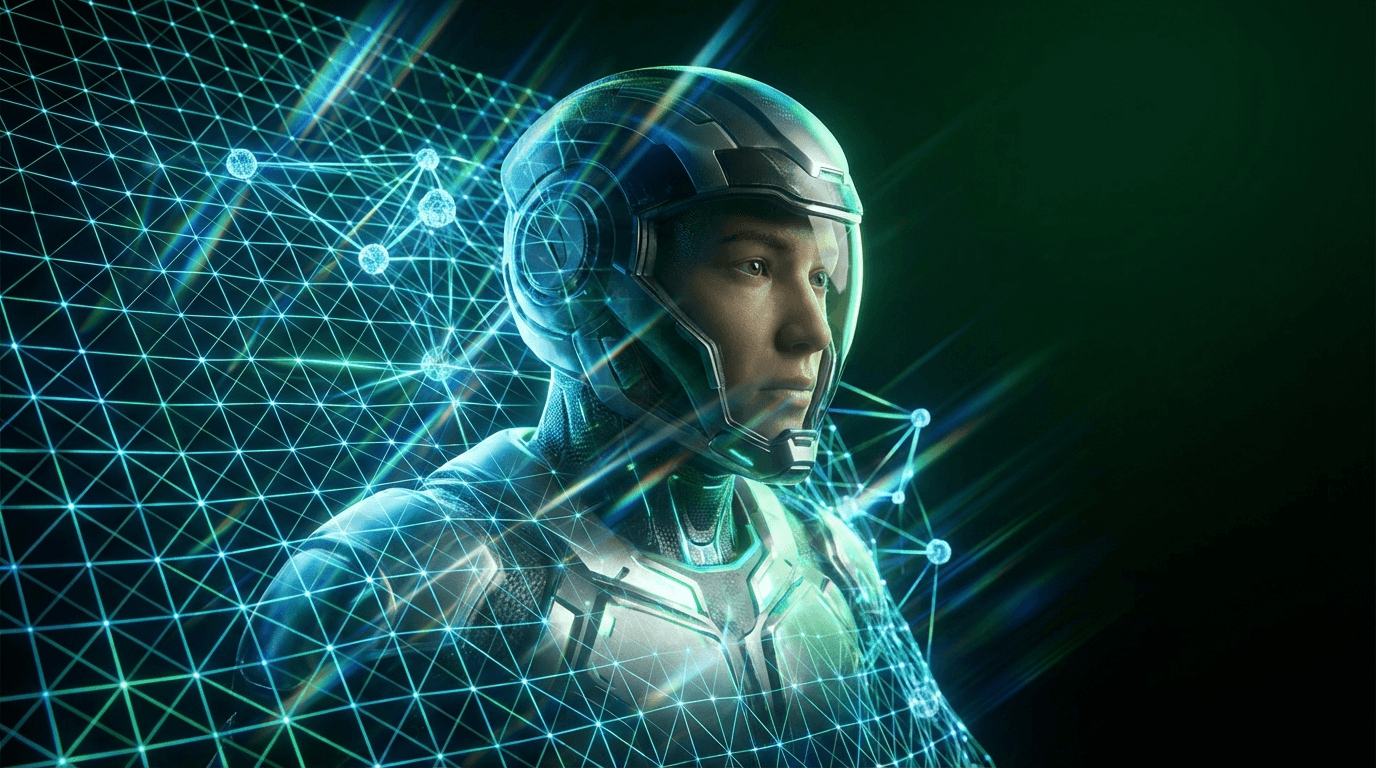
NVIDIA unveils DLSS 5 at GTC 2026, a neural rendering system that uses generative AI to infuse game pixels with photoreal lighting and materials in real time at 4K.
Key Takeaways
At GTC 2026 on March 16, NVIDIA CEO Jensen Huang unveiled DLSS 5, the company's most significant breakthrough in computer graphics since the debut of real-time ray tracing in 2018. Unlike its predecessors, which primarily upscaled and reconstructed frames, DLSS 5 introduces a real-time neural rendering model that uses generative AI to analyze scene semantics and generate photoreal lighting and materials directly from a game's 3D content. Huang described the technology as "the GPT moment for graphics," signaling a fundamental shift in how video games and real-time applications will be rendered.
DLSS 5 is scheduled for release in fall 2026 and has already secured support from major publishers including Bethesda, CAPCOM, Ubisoft, and Warner Bros. Games.
Feature Overview
1. Neural Rendering: How It Works
DLSS 5 represents a paradigm shift from traditional upscaling to generative rendering. Each frame, the system takes a game's color buffer and motion vectors as input. The AI model then performs semantic analysis of the scene, identifying characters, hair, fabric, translucent skin, and environmental objects. Based on this understanding, it generates visually precise images with photoreal lighting and material properties anchored to the game's 3D content.
The key distinction from previous DLSS versions is that the AI does not merely reconstruct missing pixels. Instead, it generates new visual information, adding physically accurate subsurface scattering on skin, realistic fabric sheen, and complex light-material interactions on hair that were not present in the original render. This is the same generative AI principle that powers image synthesis models, applied in real time to interactive content.
2. Performance and Resolution
DLSS 5 runs in real time at up to 4K resolution while maintaining smooth, interactive frame rates. For context, DLSS 4.5, the immediate predecessor, already generates 23 of every 24 pixels on screen through its Multi Frame Generation technology. DLSS 5 builds on this foundation by adding the neural rendering layer that enhances the quality of those generated pixels with photorealistic detail.
The early preview demonstrated at GTC ran on two GeForce RTX 5090 GPUs, with one dedicated to game rendering and the other running the DLSS 5 neural model. However, NVIDIA confirmed that the shipping version will run on a single GPU, suggesting significant optimization work is planned before the fall launch.
3. Developer Controls and Creative Freedom
A critical design decision in DLSS 5 is the level of artistic control it provides to game developers. Artists can adjust intensity, color grading, and masking to determine precisely where and how AI enhancements are applied. This means developers can preserve each game's unique visual aesthetic while selectively applying photoreal enhancements to specific elements like character skin, environmental lighting, or material surfaces.
This approach addresses one of the fundamental concerns about AI in creative industries: the tension between automated enhancement and artistic intent. By giving developers granular control, NVIDIA positions DLSS 5 as a tool that amplifies creative vision rather than overriding it.
4. Publisher and Game Support
DLSS 5 has secured launch support from nine major publishers and studios:
| Publisher | Confirmed Titles |
|---|---|
| Bethesda | Starfield, The Elder Scrolls IV: Oblivion Remastered |
| CAPCOM | Resident Evil Requiem |
| Ubisoft | Assassin's Creed Shadows |
| Warner Bros. Games | Hogwarts Legacy |
| Hotta Studio | Tower of Fantasy |
| NetEase | Multiple titles |
| NCSOFT | Aion 2 |
| S-GAME | Black State |
| Tencent | Delta Force, Cinder City |
The breadth of publisher support across Western and Asian studios indicates strong industry confidence in the technology.
Usability Analysis
For gamers, DLSS 5 promises a visible leap in visual quality without requiring hardware upgrades beyond existing RTX series GPUs. The real-time neural rendering approach means that older games receiving DLSS 5 patches could see dramatic visual improvements without engine-level changes from developers.
For game developers, the integration burden appears manageable. DLSS has historically been implemented through NVIDIA's SDK with relatively straightforward pipeline integration. The addition of developer controls for intensity and masking suggests that DLSS 5 follows the same integration model while adding more customization options.
The primary uncertainty is performance impact. Running a generative AI model alongside game rendering in real time will consume significant GPU resources. The fact that the GTC demo required two RTX 5090s raises questions about how the technology will perform on mid-range hardware. NVIDIA's commitment to single-GPU operation at launch will be a key benchmark to watch.
Pros
- Generative neural rendering adds physically accurate lighting and materials that were not present in the original game render
- Developer controls for intensity and masking preserve artistic intent while enabling selective AI enhancement
- Broad publisher support from nine major studios ensures a strong launch title lineup
- Builds on proven DLSS infrastructure with established SDK and developer integration pathways
- Real-time 4K operation maintains the interactive frame rates gamers expect
Limitations
- Fall 2026 release timeline means gamers must wait at least six months for the technology
- GTC demo required two RTX 5090 GPUs, raising questions about performance on mainstream hardware
- Visual enhancements may appear filter-like in early implementations before developers fine-tune artistic controls
- Requires RTX series GPU excluding AMD and Intel GPU users from the technology entirely
Outlook
DLSS 5 represents NVIDIA's most ambitious application of generative AI outside of traditional language and image models. By bringing neural rendering to real-time gaming, NVIDIA is establishing a new category of graphics technology that could redefine visual expectations across the entire gaming industry.
The technology's implications extend beyond gaming. Real-time neural rendering could transform architectural visualization, film previsualization, virtual production, and simulation environments where photorealistic visuals are essential but traditional rendering pipelines are too slow or expensive.
If NVIDIA delivers on its single-GPU performance promise, DLSS 5 could become the most compelling reason for gamers to invest in next-generation RTX hardware. For the broader technology industry, it validates the thesis that generative AI's impact will extend far beyond text and images into every domain where visual fidelity matters.
Conclusion
NVIDIA DLSS 5 marks the arrival of generative AI in real-time game rendering. By using neural models to infuse game pixels with photoreal lighting and materials, DLSS 5 crosses a threshold from frame reconstruction to content generation. Jensen Huang's description of it as the "GPT moment for graphics" may prove apt: just as large language models transformed text generation, neural rendering could fundamentally change how interactive visual content is created and experienced. For gamers, developers, and the broader creative technology industry, fall 2026 cannot arrive soon enough.
Editor's Verdict
NVIDIA DLSS 5: The 'GPT Moment for Graphics' That Brings Generative AI to Real-Time Game Rendering earns a solid recommendation within the it news space.
The strongest case for paying attention is generative neural rendering produces physically accurate lighting and materials beyond traditional rendering capabilities, which raises the bar for what readers should now expect from peers in this space. Reinforcing that, granular developer controls preserve game-specific artistic vision while enabling AI enhancement adds practical value rather than just headline appeal. The broader signal worth registering is straightforward: DLSS 5 shifts from frame reconstruction to content generation, marking a fundamental change in real-time graphics technology. On the other side of the ledger, fall 2026 release date means at least six months of waiting is a real constraint, not a marketing footnote, and it should factor into any serious decision. Layered on top of that, GTC demo required two RTX 5090 GPUs raising mainstream hardware performance concerns narrows the set of teams for whom this is an obvious yes.
For AI industry watchers, strategy teams, and decision-makers tracking platform shifts, this is a serious evaluation candidate, not just a curiosity to bookmark. For everyone else, the safer posture is to monitor coverage and revisit once the use cases that matter to your team are demonstrated in the wild.
Pros
- Generative neural rendering produces physically accurate lighting and materials beyond traditional rendering capabilities
- Granular developer controls preserve game-specific artistic vision while enabling AI enhancement
- Nine major publisher partnerships ensure a robust launch title lineup
- Builds on proven DLSS SDK infrastructure minimizing developer integration friction
- Real-time 4K performance maintains interactive frame rates for gaming
Cons
- Fall 2026 release date means at least six months of waiting
- GTC demo required two RTX 5090 GPUs raising mainstream hardware performance concerns
- Exclusive to NVIDIA RTX GPUs excluding AMD and Intel GPU users
- Early implementations may appear filter-like before developers optimize artistic controls
References
Comments0
Key Features
1. Real-time neural rendering model that uses generative AI to add photoreal lighting and materials to game frames 2. Semantic scene analysis identifies characters, hair, fabric, and environmental objects for targeted AI enhancement 3. Developer controls for intensity, color grading, and masking preserve artistic intent while enabling selective enhancement 4. Runs at up to 4K resolution in real time with confirmed single-GPU operation at launch 5. Launch support from nine major publishers including Bethesda, CAPCOM, Ubisoft, and Warner Bros. Games
Key Insights
- DLSS 5 shifts from frame reconstruction to content generation, marking a fundamental change in real-time graphics technology
- Jensen Huang calling it the GPT moment for graphics signals NVIDIA views neural rendering as a paradigm shift comparable to LLMs
- Developer artistic controls address the core tension between AI automation and creative intent in game development
- The technology's potential extends beyond gaming into architectural visualization, film production, and simulation
- Nine-publisher launch support including both Western and Asian studios indicates strong industry confidence
- The GTC demo requiring two RTX 5090s highlights the computational intensity of real-time neural rendering
- DLSS 5 could become the primary hardware upgrade driver for next-generation RTX GPUs
- Real-time generative AI in graphics validates the broader thesis that AI will transform every domain requiring visual fidelity
Was this review helpful?
Share
Related AI Reviews

Apple Reference Image: How iPhone 18 Pro Proves Photos Real
Apple's new iPhone 18 Pro camera signs sensor data at capture, letting users compare an unalterable reference image to verify a photo wasn't edited.

Authors Dispute Publisher Claims on Anthropic Payouts
Authors report publishers and literary agencies claiming shares of their $3,000-per-book payouts as Anthropic's $1.5B settlement enters allocation.

DOJ Backs OpenAI's Fair-Use Case in NYT Copyright Suit
DOJ filed a Statement of Interest backing OpenAI's fair-use defense in the NYT copyright suit, days before summary judgment briefing begins.

OpenAI to Cut Off Cursor's Model Access Nov. 12
OpenAI plans to cut off Cursor's model access Nov. 12 after SpaceX's acquisition, citing distrust of Musk's companies on contract terms.