
Meta Rolls Out Fix for Smart Glasses Recording LED Gap
Meta is rolling out an update that stops the camera when the capture LED is covered mid-recording, its second AI glasses privacy fix in two months.
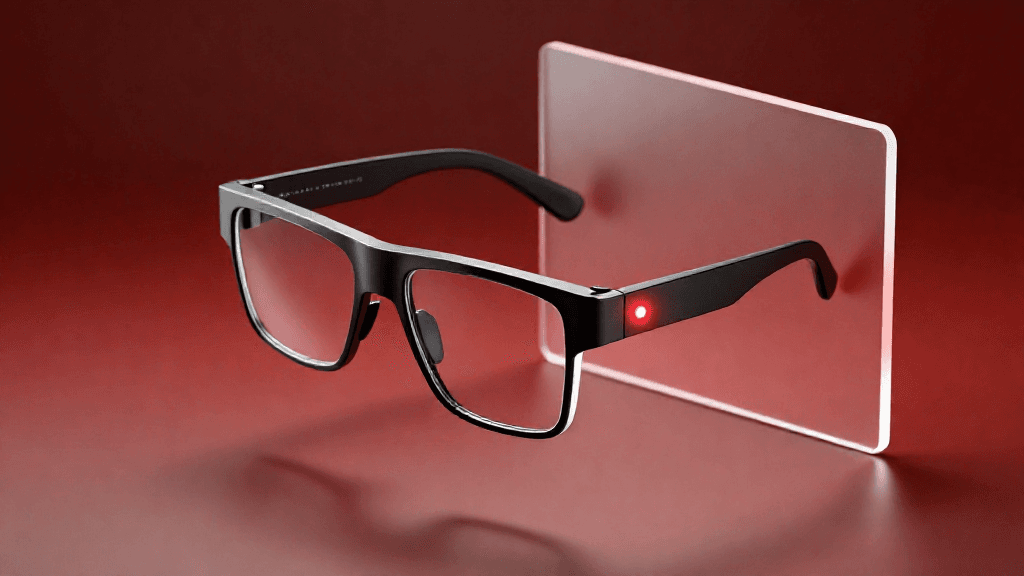
Meta is rolling out an update that stops the camera when the capture LED is covered mid-recording, its second AI glasses privacy fix in two months.
Introduction
Meta is rolling out a software update that closes a privacy loophole in its AI-powered smart glasses, according to a Threads post by Alex Himel, Meta's VP of AR, first reported on August 27, 2026. The capture LED on Meta's AI glasses, including its Ray-Ban and Meta Smart Glasses lines, is designed to light up whenever the camera is recording, so bystanders know they are being filmed. Until now, that safeguard only stopped a recording from starting if the LED was already covered; it did nothing to stop someone who started recording first and covered the LED afterward. The new update closes that gap by cutting camera function the moment the light is obscured during an active recording, not just at the start of one.
The fix is Meta's second privacy-focused software update to its smart glasses line in under two months. The first, a mandatory update reported in July 2026, addressed a related but distinct problem: it disabled the camera outright if the device detected that the physical LED hardware itself had been tampered with or damaged. Taken together, the two updates target the two most straightforward ways people found to defeat the recording indicator, breaking the LED and covering it mid-recording, without requiring any change to the glasses' hardware.
Feature Overview
Himel described the specific behavior being fixed in a public post: "The camera won't start recording if the LED is blocked, but some people try to bypass this by starting a recording and then covering it up. A fix for this is starting to roll out, the camera will now stop working if the light is covered during a recording." That is the core change: continuous monitoring of the LED's visibility for the duration of a recording, rather than a one-time check when recording begins.
The update applies to Meta's current AI glasses lineup, reported as covering its Ray-Ban smart glasses and Meta Smart Glasses. Himel also addressed how common the underlying abuse actually is, framing it as narrow but worth closing: "Only a tiny minority of people try to get around these protections, and the fact they have to go to these lengths shows our efforts are working." He additionally signaled this is not a one-off fix: "We're going to keep rolling out updates like this to make sure the capture LED can reliably alert bystanders when photos or videos are being captured."
The update lands against a backdrop of sustained criticism of AI glasses as a category. Coverage of Meta's smart glasses over the past year has repeatedly focused on covert recording, and Meta itself has acknowledged the LED is central to that concern, tying both this update and July's tamper-detection fix directly to keeping the indicator trustworthy for the people being recorded, not just the person wearing the glasses.
Usability Analysis
For wearers, the change should be invisible in normal use; Meta has described no new setting, prompt, or interface element, since the enforcement happens at the software level during an active recording. The only noticeable effect surfaces if someone deliberately covers the LED mid-recording, at which point the camera now stops rather than continuing silently.
For bystanders, the practical benefit is narrow but concrete: once the update lands, the recording indicator is harder to defeat without the wearer's recording actually stopping, closing a specific, previously documented workaround rather than solving covert recording as a broader problem. Himel described the fix as "starting to roll out," and neither Meta nor the reporting has given a date for when it reaches the full glasses lineup.
Pros and Cons
Pros:
- Closes a specific, previously demonstrated workaround for the LED recording indicator without requiring any hardware change
- Delivered as a software update to existing hardware, so no device replacement or accessory is required
- Marks a second privacy fix in under two months, suggesting Meta is treating this as an area of sustained investment rather than a single patch
- Directly targets the mechanism, live LED monitoring, rather than only reacting after the fact to reported misuse
Cons:
- The fix is enforced entirely in software, so it does not address other, not-yet-identified ways someone might defeat the recording indicator
- It does not resolve the broader criticism of AI glasses as a product category capable of covert recording in the first place
- The fix is described only as "starting to roll out," with no disclosed completion date, so not all devices have it yet
- The update only addresses the LED indicator itself; it does not change what data captured recordings are used for or how they are stored
Outlook
Himel's comment that Meta will "keep rolling out updates like this" suggests further LED and privacy-related patches are likely, rather than this being a final fix. With two targeted updates in under two months, one covering physical tampering and one covering live occlusion, Meta appears to be working through the specific bypass methods that have been publicly documented, which points to an iterative, complaint-driven update cycle rather than a single comprehensive redesign. Broader scrutiny of AI glasses privacy, from press coverage to regulatory attention on wearable recording devices, makes it likely that Meta's approach here will be closely watched as a template other smart glasses makers may need to match.
Conclusion
This update closes a real, previously reported gap in how Meta's smart glasses signal that recording is happening, without requiring any hardware change or action from device owners. It does not settle the wider debate over whether AI glasses can ever fully protect bystander privacy, but for current Meta AI glasses owners, and for the people around them, it removes one specific way the recording indicator could be silently defeated.
Editor's Verdict
Meta Rolls Out Fix for Smart Glasses Recording LED Gap is a workable proposition that fills a clear gap, even if it doesn't fundamentally change the landscape.
The strongest case for paying attention: closes a specific, previously demonstrated LED bypass without requiring hardware changes. That alone raises the bar for what readers should expect in this space. Reinforcing that, delivered as a software update to existing hardware, so no device replacement or accessory is needed — practical value rather than just headline appeal. The broader signal worth registering is straightforward: Meta's new update stops the camera on its AI glasses if the recording LED is covered during an active recording, not just when a recording starts. On the other side of the ledger, one constraint is real rather than a marketing footnote: software-only enforcement does not address other, not-yet-identified ways to defeat the indicator. It should factor into any serious decision. Layered on top of that, does not resolve broader criticism of AI glasses as a category capable of covert recording — which narrows the set of teams for whom this is an obvious yes.
For AI industry watchers, strategy teams, and decision-makers tracking platform shifts, the smart move is to track its trajectory and revisit once the rough edges are filed down. For everyone else, the safer posture is to monitor coverage and revisit once the use cases that matter to your team are demonstrated in the wild.
Pros
- Closes a specific, previously demonstrated LED bypass without requiring hardware changes
- Delivered as a software update to existing hardware, so no device replacement or accessory is needed
- Second privacy fix in under two months shows sustained investment in the recording indicator
- Targets the mechanism directly through live LED monitoring rather than only reacting after misuse is reported
Cons
- Software-only enforcement does not address other, not-yet-identified ways to defeat the indicator
- Does not resolve broader criticism of AI glasses as a category capable of covert recording
- Described only as "starting to roll out," with no disclosed completion date
- Does not change what captured recordings are used for or how they are stored
References
Comments0
Key Features
1. Meta is rolling out a software update, reported August 27, 2026, that stops the camera on its AI glasses if the recording LED is covered while a recording is already in progress. 2. The fix closes a gap in the prior safeguard, which only blocked recording from starting if the LED was already covered, not covering it after recording began. 3. It is Meta's second privacy-focused software update in under two months; the first, a mandatory update reported in July 2026, disabled the camera if the LED hardware itself was tampered with or damaged. 4. Meta VP of AR Alex Himel announced the change on Threads and said the fix is "starting to roll out," without giving a completion date. 5. Himel said Meta will "keep rolling out updates like this," indicating further capture-LED reliability work is planned.
Key Insights
- Meta's new update stops the camera on its AI glasses if the recording LED is covered during an active recording, not just when a recording starts.
- The fix closes a specific workaround: users could previously start a recording, then cover the LED to keep filming without the light showing.
- It is Meta's second privacy-focused software update to its smart glasses in under two months, following a July 2026 mandatory fix for physically tampered or damaged LEDs.
- Meta VP of AR Alex Himel announced the change in a Threads post, calling the underlying abuse a "tiny minority" of use cases.
- Himel described the fix as "starting to roll out," and no completion date has been disclosed for the full glasses lineup.
- Himel said Meta will "keep rolling out updates like this," signaling more privacy-related fixes are likely to follow.
- Reporting frames the update as covering Meta's Ray-Ban smart glasses and Meta Smart Glasses; Meta has not published its own newsroom post for this specific change.
Was this review helpful?
Share
Related AI Reviews
Microsoft Maia 300: 96-Accelerator Rack, 2027 Rollout
Microsoft's Maia 300 inference chip claims up to 7x Maia 200's rack throughput on TSMC N2P chiplets, with production rollout starting in 2027.

Nadella: Treat Frontier AI Models as Insider Risks
Nadella's X essay urges treating frontier models as insider risks: controls outside the model, audit evidence and an emergency brake.

Google Pauses OSS VRP Product-Bug Rewards Over AI Slop
Google stopped taking product-vulnerability reports in its OSS bug bounty on Oct 1 over invalid AI submissions; supply-chain rewards continue.

Apple Rethinks macOS Full Disk Access as AI Agents Grow
Apple says it will add controls so granting macOS Full Disk Access takes very explicit user action, citing risks from capable AI agents.