
Open Source
Explore the latest AI open-source projects from GitHub and HuggingFace.
Explore the latest AI open-source projects from GitHub and HuggingFace.
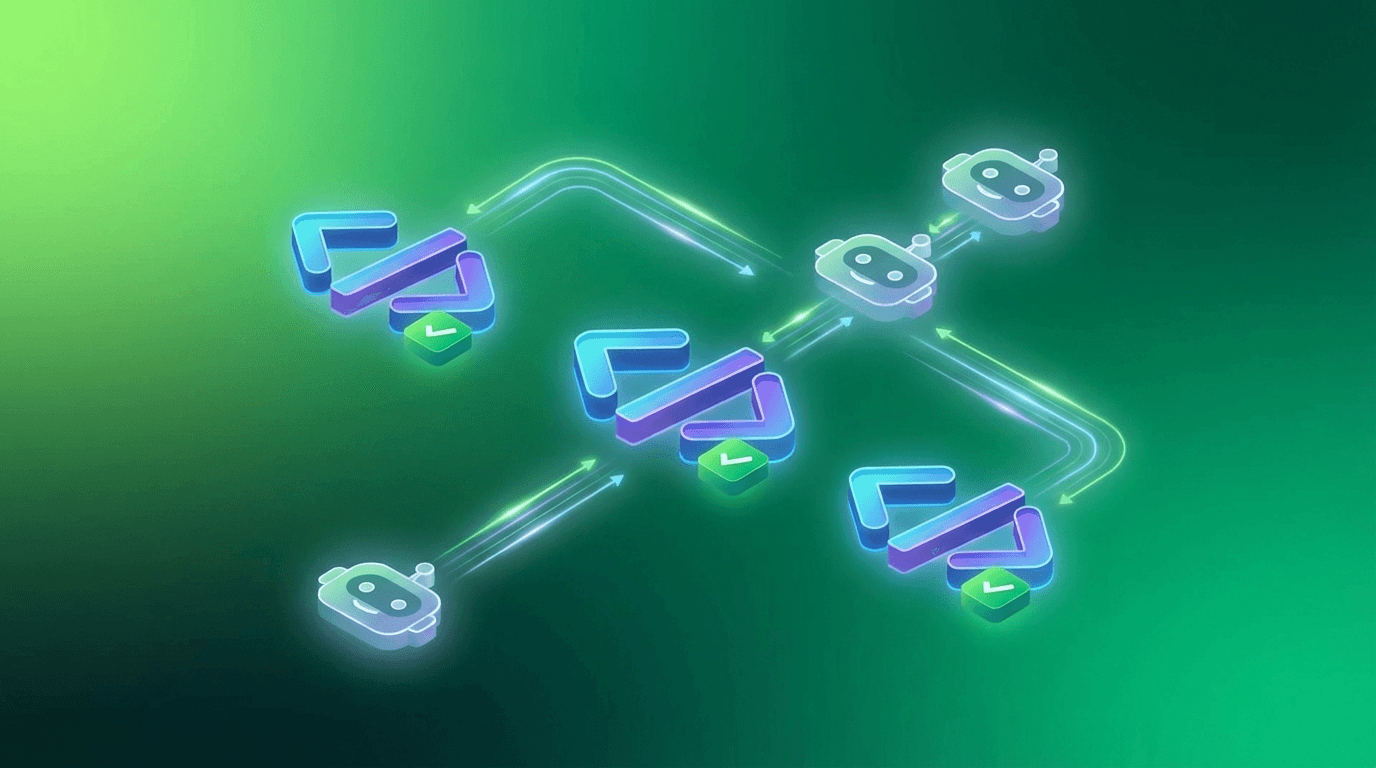
Superpowers is an agentic skills framework and software development methodology that provides coding AI agents with structured workflows, test-driven development enforcement, and multi-agent orchestration capabilities. With over 53,000 GitHub stars, it has become one of the most adopted frameworks for enhancing AI-assisted software development.
AI coding assistants like Claude Code, Cursor, and Codex are powerful but often operate without methodology. They generate code on request but lack systematic approaches to testing, planning, and verification. The result is code that works in isolation but may introduce regressions, skip edge cases, or diverge from architectural intent.
Superpowers addresses this by wrapping AI coding agents in a structured methodology that enforces best practices automatically. Rather than replacing the AI, it augments it with discipline.
Before any code is written, the brainstorming skill engages the developer in a structured conversation to refine requirements. It asks clarifying questions, identifies edge cases, and ensures the implementation plan covers all scenarios. This front-loading of design thinking prevents the common pattern of AI agents diving into code before the problem is fully understood.
Superpowers enforces a strict RED-GREEN-REFACTOR cycle. Tests must be written before implementation code, and they must fail before implementation begins (RED). Only then does the agent write code to make tests pass (GREEN). Finally, the code is cleaned up while ensuring tests continue to pass (REFACTOR). This is not optional guidance; the framework enforces the sequence.
For complex tasks, Superpowers dispatches fresh agents per subtask with a two-stage review process. Each subagent receives a focused brief, executes its task, and submits results for review. This isolation prevents context contamination between unrelated tasks and enables parallel development.
Superpowers creates isolated development branches using Git worktrees for parallel work. Each task gets its own worktree, preventing conflicts between concurrent development streams. This is particularly valuable when multiple subagents work simultaneously on different features.
When tests fail or bugs appear, the debugging skill applies a 4-phase root cause analysis process rather than pattern-matching fixes. The phases include reproduction, hypothesis generation, targeted investigation, and verified correction. This systematic approach prevents the common AI coding pattern of applying superficial fixes that mask underlying issues.
Work is broken into bite-sized tasks estimated at 2-5 minutes each. These granular plans serve as checkpoints, making it easy to track progress and catch deviations early. Each task is small enough for an AI agent to execute reliably without losing context.
Superpowers integrates with major AI coding platforms through a plugin system. Claude Code, Cursor, Codex, and OpenCode are all supported. Installation varies by platform but generally takes a single command.
For Claude Code: /plugin install superpowers@superpowers-marketplace
For Cursor: /plugin-add superpowers
A typical Superpowers session begins with design refinement through the brainstorming skill, progresses to an executable implementation plan with granular tasks, then launches autonomous execution where agents work through tasks with automatic review and verification at each step.
The two-stage review process means every piece of generated code is checked against both the implementation plan and the test suite before being committed. This catches drift early and maintains consistency across the codebase.
With 53,700 stars and over 4,100 forks, Superpowers has seen rapid adoption since its initial release. The framework's 280 commits on the main branch reflect active development, and the contributor community continues to add new skills and platform integrations.
The MIT license enables unrestricted commercial use, which has contributed to adoption in enterprise development teams.
The framework adds overhead to simple tasks. For quick one-off code changes, the brainstorming and planning phases may feel excessive. The test-driven requirement means Superpowers is less suited to exploratory coding or prototyping where the goal is unclear. Platform plugin support varies in maturity, with Claude Code and Cursor being the most polished integrations. Shell-heavy implementation (76.2%) may present challenges for contributors more comfortable with other languages.
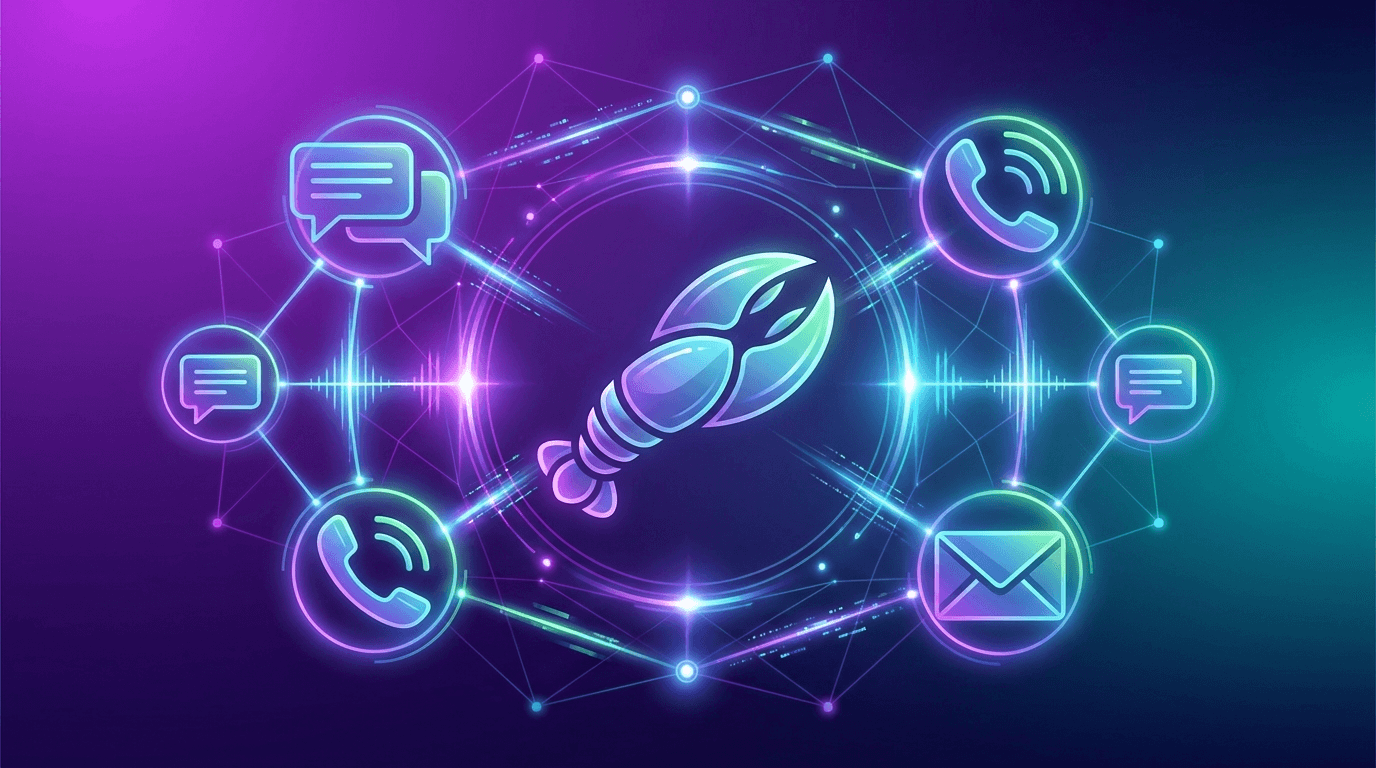
OpenClaw is an open-source, local-first AI gateway with 366K GitHub stars that routes AI responses through WhatsApp, Telegram, Slack, Discord, iMessage, Teams, and 15+ other platforms — zero cloud dependency.
OpenClaw
Open-source personal AI assistant connecting to 13+ messaging platforms with local gateway architecture, voice support, and multi-agent routing.