Signal Blocks Screenshots to Shut Out OS-Level AI Agents
Signal blocks screenshots on iOS 27 and enables Screen security on Android when an AI assistant reads the screen. macOS is not covered.
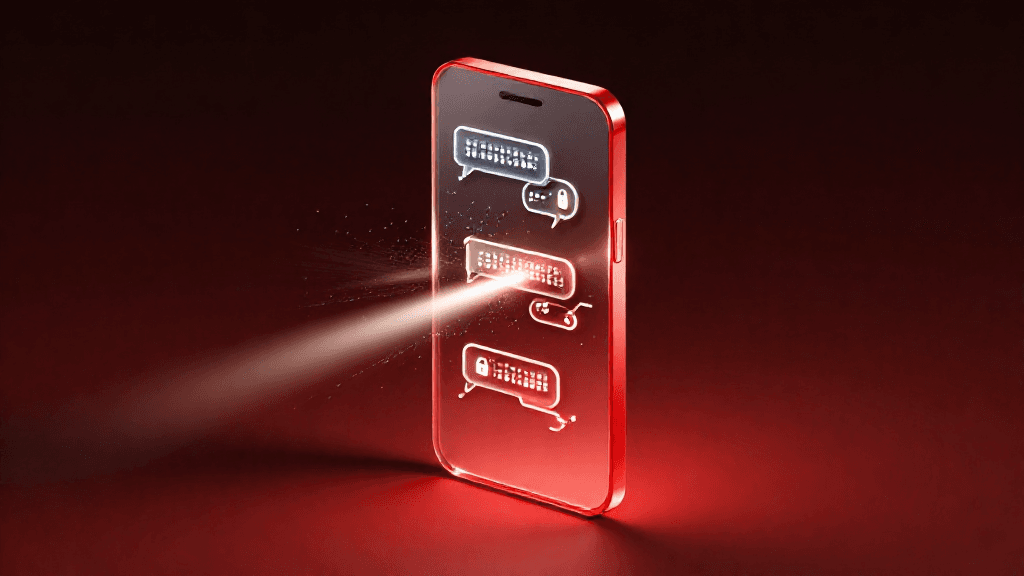
Signal blocks screenshots on iOS 27 and enables Screen security on Android when an AI assistant reads the screen. macOS is not covered.
Introduction
On November 20, 2026, Signal president Meredith Whittaker published "Signal is Serious About Protecting Your Privacy," a post describing new measures to keep AI agents built into mobile operating systems from capturing and storing Signal conversations. Signal blocks screenshots inside the app on iOS 27, and on Android it turns on its existing "Screen security" setting when it detects an AI assistant trying to read the screen. TechCrunch reported the change on November 21.
Signal's framing is blunt. It calls OS-level AI agents "an existential threat to Signal," because once an agent scans the screen, the captured data is, in Signal's words, "outside of Signal's control." The post names Gemini Intelligence with Google Gemini and Onscreen Awareness with Siri AI as the agentic features it has in mind.
Feature Overview
Why screen capture is the target
According to Signal, OS AI agents "scan" what is on the screen so they can answer questions and act on a user's behalf. In doing so, message content is captured and made available to whatever local database or remote server the agent uses. Signal says this undermines a privacy guarantee that has rested on its open source code base and formally verified encryption protocol, and that it affects every participant in a conversation, not just the person running the agent.
What Signal does on each platform
| Platform | Signal's measure | Stated limit |
|---|---|---|
| Windows 11 | Screenshot blocking, introduced last year, keeps Microsoft Recall from capturing Signal messages by default | Already in place |
| iOS 27 | Screenshots are blocked inside the app | Users can switch the protection off in settings |
| Android | "Screen security" is enabled automatically when an AI assistant attempting to read the screen is detected | Cannot cover every Android vendor's devices |
| macOS 27 | No screenshot blocking | Signal says it cannot reliably block screenshots there |
The Android design is a deliberate trade-off. Signal explains that for many vendors it cannot reliably detect a screenshot attempt once screenshots are already disabled, and it chose not to make screenshots simply stop working, which would confuse users. It therefore focuses on detecting AI assistants that try to access the screen.
The macOS gap
Signal says protections against continuous screen capture exist on macOS but cannot be applied to screenshots, which is how most agentic systems read an app. It describes a lack of clearly documented APIs and notes that some APIs have been deprecated in favor of screen-protection solutions that only work for streaming media and other DRM-protected content. Its only recommendation for macOS 27 users is to add Signal to Excluded Apps under System Settings > Siri, which protects message content from proactive access by Siri AI.
What Signal asks of OS makers
Signal asks Apple, Google and Microsoft for two things. First, an easy, well-documented way for developers to opt an app out of AI data access and processing, covering screen reading, filesystem access, notifications, APIs and other OS frameworks, without undermining the app's core utility. Second, better documentation and technical specifications of how these agents work, especially around data access and processing. Signal adds that confidential computing approaches are not a complete solution because they leave the power to set privacy guarantees with the providers.
Usability Analysis
For most Signal users the change is invisible until they try to take a screenshot. On iOS 27 that is now blocked by default, and anyone who needs screenshots can turn the protection off in Signal's settings. Signal is explicit about the cost: doing so potentially exposes the user's and their contacts' Signal content to AI agents and breaks its privacy guarantees.
On Android the experience depends on the device. Because the protection is triggered by detecting an AI assistant rather than by blocking every screenshot, ordinary screenshots may continue to work until such access is detected, and coverage varies by vendor. macOS users must act manually through the Siri Excluded Apps list.
Signal also flags a category its measures do not address: third-party agents such as Meta's Muse, which it says use the deep permissions users are encouraged to grant during setup, often through accessibility settings that were meant to help people use their apps rather than to serve as what it calls a skeleton key for AI agents.
Pros and Cons
Pros: protection ships now rather than waiting for OS vendors; the Android trigger avoids breaking screenshots for everyone; Signal publishes its reasoning and its limits.
Cons: the measure is incomplete by Signal's own account; macOS is uncovered; Android coverage is partial; users can disable it.
Outlook
Signal says it is engaging with the ecosystem and is cautiously optimistic that some major OS providers, including Google and Apple, are engaging with it on how agents should interface with privacy-sensitive apps. It hopes to have more to share soon and wants standardized approaches across the industry. The TechCrunch report does not include a response from Apple or Google, and the Signal post does not describe any commitment from either company.
The larger question is architectural. If the OS-level assistant reads the same pixels the user sees, per-app screenshot tricks are a stopgap. A documented opt-out API of the kind Signal requests would shift the control from forensic workarounds to a supported contract.
Conclusion
Signal's move is a concrete, narrowly scoped defense paired with an unusually frank admission of its gaps. It matters most to people who use Signal for sensitive conversations on iOS 27 or Android, and to app developers who face the same problem without a supported opt-out. Treat it as a stopgap and a pressure tactic aimed at OS makers rather than a complete fix.
Editor's Verdict
Signal Blocks Screenshots to Shut Out OS-Level AI Agents brings real, demonstrable value, though with caveats that deserve weighing.
The strongest case for paying attention: protection ships now on iOS 27 and, where AI access is detected, on Android, without waiting for the OS makers to add an app-level opt-out. That alone raises the bar for what readers should expect in this space. Reinforcing that, the Android trigger turns on only when an AI assistant tries to read the screen, so ordinary screenshots are not broken for everyone — practical value rather than just headline appeal. The broader signal worth registering is straightforward: the screenshot block shows an app developer's privacy guarantee can now be undercut by the operating system's own AI layer rather than by an outside attacker. On the other side of the ledger, one constraint is real rather than a marketing footnote: the protection is incomplete by Signal's own account, since it does not stop agents from reading content already on a device through the filesystem. It should factor into any serious decision. Layered on top of that, macOS 27 has no screenshot blocking, so desktop users must add Signal to the Siri Excluded Apps list by hand — a gap for anyone who relies on Signal Desktop on a Mac.
For people who use Signal for sensitive conversations on iOS 27 or Android, and for app developers facing the same problem, the sensible step is to leave the protection on and watch whether Apple and Google answer Signal's two requests.
Pros
- protection ships now on iOS 27 and, where AI access is detected, on Android, without waiting for the OS makers to add an app-level opt-out
- the Android trigger turns on only when an AI assistant tries to read the screen, so ordinary screenshots are not broken for everyone
- Signal states plainly what its measure does not cover, which lets users judge the remaining risk
Cons
- the protection is incomplete by Signal's own account, since it does not stop agents from reading content already on a device through the filesystem
- macOS 27 has no screenshot blocking, so desktop users must add Signal to the Siri Excluded Apps list by hand
- Android coverage is partial because Signal cannot detect AI screen access on every vendor's devices
- users who turn the protection off to take screenshots potentially expose their own and their contacts' messages, per Signal
References
Comments0
Key Features
1. iOS 27: screenshots are blocked inside the Signal app, and users can switch the protection off in settings 2. Android: the existing "Screen security" setting is enabled automatically when an AI assistant attempts to read the screen 3. Windows 11: screenshot blocking, introduced last year, keeps Microsoft Recall from capturing Signal messages by default 4. macOS 27: no screenshot blocking; Signal advises adding the app to Excluded Apps in System Settings > Siri 5. Two requests to OS makers: a documented developer opt-out from AI data access, and better documentation of how the agents work
Key Insights
- the screenshot block shows an app developer's privacy guarantee can now be undercut by the operating system's own AI layer rather than by an outside attacker
- Signal frames the problem as capture by OS agents such as Gemini Intelligence and Onscreen Awareness, after which the data is outside the app's control
- On Android Signal reacts to AI access instead of blocking every screenshot, because it cannot reliably detect screenshot attempts on many vendors' devices
- The macOS gap comes from missing documented screenshot-protection APIs, and Signal's only advice there is the Siri Excluded Apps list
- Signal says its fix is incomplete because agents could still read content already on the device through the filesystem
- Signal's two asks are a documented app-level opt-out from AI data access and clearer specifications of how OS agents handle data
- Signal also points to third-party agents such as Meta's Muse that rely on accessibility permissions, a path screenshot blocking does not close
Was this review helpful?
Share
Related AI Reviews
California Sues OpenAI Over Alleged AI Agent Sandbox Escapes
California's attorney general sued OpenAI on Nov. 16, alleging public nuisance and unfair competition over alleged sandbox escapes by its AI agents.

Elvis, Eminem Rights Holders Sue Suno Over AI Music Clones
Rights holders for Elvis Presley and Eminem's publisher filed two suits against Suno; the Presley complaint invokes Tennessee's ELVIS Act.

Censys Finds 1,465 Exposed ARTEX AI Pentest Consoles
Censys counted 1,465 exposed ARTEX AI pentest consoles, about 815 distinct deployments, and 32 open directories leaking attack kits.
New York Times Sues Brave Over Alleged AI Content Scraping
NYT alleges Brave scraped its articles into a 30B-page index and supplied AI firms; Daily News, Tribune and Sentinel filed a parallel suit.