
Google Play Adds Private Vibe-Coded Apps From AI Studio
Google Play now lets users 18+ in select markets run private personal apps built in Google AI Studio, using only a standard Google account.
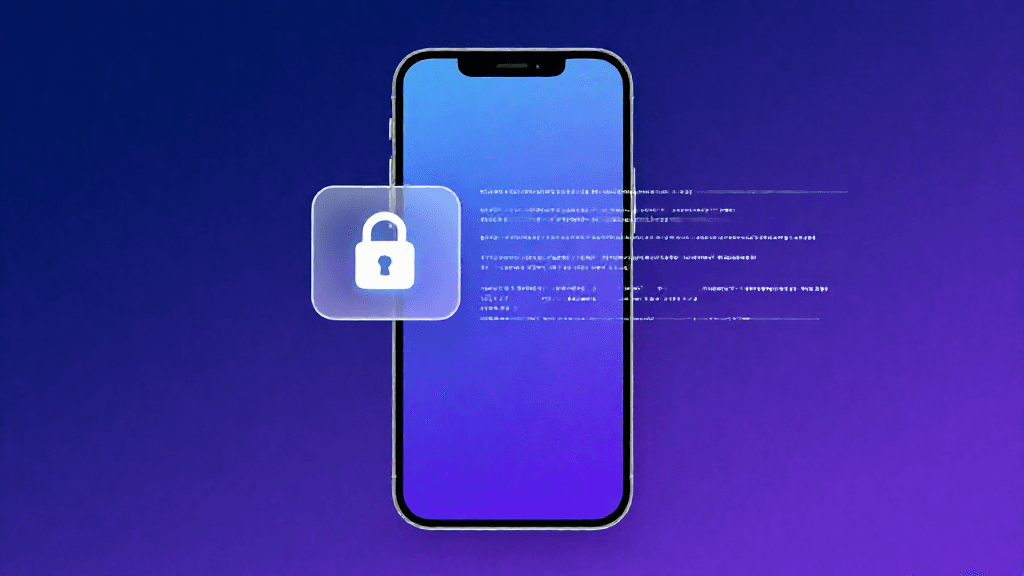
Google Play now lets users 18+ in select markets run private personal apps built in Google AI Studio, using only a standard Google account.
Introduction
On October 13, 2026, Google announced in a Google Play post, "New on Google Play: More ways to create, discover, and play," that people can now launch personal apps on their own device through Google Play. The apps are built by "vibe coding" a custom Android app in Google AI Studio, and Google says they "stay private, secure, and separate from the public store catalog." TechCrunch, which covered the announcement the same day, framed it as a way to run vibe-coded apps on Android phones "without having to first go public on the Google Play Store."
The announcement came from Sam Bright, Google's VP and GM for Google Play and Developer Ecosystem, and the post sits alongside several other Play updates. This article covers only the personal apps feature.
Feature Overview
1. Build in AI Studio, launch through Play
Google's post says that "using Google AI Studio, you can vibe code a custom Android app," and that through Google Play you can now launch these personal apps on your own device. According to TechCrunch, Android device owners vibe-code the app in AI Studio and then launch it for their own use.
2. Standard Google account, no developer account
Google states: "You only need your standard Google account to do so — no developer account required." This removes a step that previously sat between a prototype and a native install. TechCrunch notes the older alternative was publishing to Google Play and making the app accessible to the store's "some 3 billion users," which led many people to limit vibe-coding efforts to web apps that run on any device.
3. Private by default
TechCrunch reports that personal apps will not appear in Google Play's search or listing pages and will not be shared with anyone except the app's creator. Google's post describes the same separation from the public catalog. TechCrunch adds that the apps must still comply with Google Play's existing policies.
4. Availability and eligibility
Google says the feature "starts rolling out today to select markets, including the U.S., for users 18 and over." TechCrunch describes the initial availability as U.S. users age 18 and up. Because the two descriptions differ slightly, this article follows Google's wording of select markets including the U.S.
5. The path from personal to shared to public
Google outlines a staged path. "In the coming months," users will be able to share personal apps with "a close circle of friends and family." TechCrunch gives examples such as apps built for family or a child's T-ball league. Later, if you want to share the app with the world, Google says Play "helps you graduate to a professional developer account," at which point the app goes through "the same Trust & Safety reviews and quality standards as every professional developer."
| Stage | What Google says | Status per the announcement |
|---|---|---|
| Personal | Launch on your own device with a standard Google account | Rolling out Oct 13, 2026 to select markets including the U.S., users 18+ |
| Shared | Share with a close circle of friends and family | Coming months |
| Public | Graduate to a professional developer account and pass Trust & Safety review | Available as a later path |
Usability Analysis
For a hobbyist, the practical change is removing the publishing ceremony. A person with a specific need, such as a household tracker or a small utility, can describe it in AI Studio, then run the result as a native app from Play rather than as a browser page. Google's pitch is the shift "from 'there's an app for that' to 'there's an app for me,'" and Bright, quoted by TechCrunch, said the future of apps on Google Play is "personal, secure, and built by everyone."
The trade-offs are in the scope. The apps are for the creator alone at launch, so anything involving family or a club has to wait for the sharing feature. Eligibility is limited to adults in select markets. And because the apps must follow Play policies, this is not a route around the store's rules; it is a lighter-weight lane inside them. This article did not test the feature hands-on, and Google's post describes screen images as simulated, so real-world build quality depends on what AI Studio generates for a given prompt.
Pros and Cons
On the positive side, the account requirement is minimal, privacy is the default, and there is an explicit graduation route to public distribution. On the negative side, early availability is narrow, sharing is still a promise rather than a feature, and the public path brings the full professional review burden.
Outlook
The sharing step is the one to watch. A private app that can reach a small trusted group sits between a personal tool and a store listing, and Google says that step is months away. If the staged path works as described, it gives non-developers a way to move from experiment to distribution without leaving Google's ecosystem, while keeping Trust & Safety review at the point where an app becomes public. Google has not tied the sharing feature to a date beyond "in the coming months," so timing should be treated accordingly.
Conclusion
Google Play's personal apps feature is a modest but meaningful change for people who vibe-code native Android apps: it lets them run their own creations through Play with a standard Google account, privately. It suits hobbyists, tinkerers and small-group organizers who are eligible under the initial rollout. Readers outside the select markets, or under 18, will have to wait. Rating: 3 out of 5, reflecting a useful start whose sharing and public stages are not yet available.
Editor's Verdict
Google Play Adds Private Vibe-Coded Apps From AI Studio is a workable proposition that fills a clear gap, even if it doesn't fundamentally change the landscape.
The strongest case for paying attention: needs only a standard Google account, with no developer account. That alone raises the bar for what readers should expect in this space. Reinforcing that, apps remain private and are kept out of Play search and listings — practical value rather than just headline appeal. The broader signal worth registering is straightforward: removing the developer-account requirement lowers the cost of trying a native app, since a personal project no longer needs a public listing. On the other side of the ledger, one constraint is real rather than a marketing footnote: availability starts with select markets and adults 18 and over, which excludes many would-be users. It should factor into any serious decision. Layered on top of that, sharing with friends and family is promised for the coming months and is not available at launch — which narrows the set of teams for whom this is an obvious yes.
For hobbyists and non-professional builders in the eligible markets who already vibe-code apps in Google AI Studio, this is worth trying once it reaches your account. For everyone else, the sensible move is to wait for the sharing step Google has promised for the coming months.
Pros
- Needs only a standard Google account, with no developer account
- Apps remain private and are kept out of Play search and listings
- Provides a stated route from personal use to sharing and public publishing
- Fits an existing AI Studio workflow for building Android apps
Cons
- Availability starts with select markets and adults 18 and over, which excludes many would-be users
- Sharing with friends and family is promised for the coming months and is not available at launch
- Going public requires a professional developer account and full Trust & Safety review
- Personal apps must still comply with Google Play policies, which limits what can be built
References
Comments0
Key Features
1. Build a custom Android app by vibe coding in Google AI Studio, then launch it on your own device through Google Play. 2. Only a standard Google account is needed; no developer account required. 3. Apps stay private and separate from the public Play catalog; they must still follow Play policies. 4. Rolling out from Oct 13, 2026 to select markets including the U.S., for users 18 and over. 5. Coming months: sharing with a close circle of friends and family; later, graduation to a professional developer account with Trust & Safety review.
Key Insights
- removing the developer-account requirement lowers the cost of trying a native app, since a personal project no longer needs a public listing
- private-by-default distribution targets people whose apps solve one household or club need rather than a mass market
- policy compliance still applies to personal apps, so the lane is lighter but not exempt from Play rules
- a staged path from personal to shared to public keeps Trust & Safety review at the moment an app becomes public
- a promised sharing step with friends and family would matter more than the launch itself, because it extends reach without a store listing
- eligibility limits of select markets and adults 18 and over make this an early rollout rather than a global change
- vibe-coded web apps have been the workaround for people avoiding Play publication, and this feature offers a native alternative
Was this review helpful?
Share
Related AI Reviews

Google Playground Launches: Build Games From Text Prompts
Google's experimental Playground lets U.S. adults (18+) build and share games from text prompts. WIRED found it fun but samey.
Gemini Agent: Google Cloud's Universal Work Agent
Google Cloud unveiled the Gemini agent at Gemini at Work 2026: one agent for knowledge work and code, in enterprise private preview per The Verge.

SynthID Detector Opens to Everyone with Partner Support
Google opened SynthID Detector on SynthID.com on Oct 7, checking images, video and audio, with partners including OpenAI, NVIDIA and Kakao.
Gemini App Free Tier Drops to Flash-Lite From Oct 9
From Oct 9, Gemini app users without a plan get Flash-Lite only and AI Plus loses Pro; AI Pro and Ultra keep all three models.