Gemini Tasks Goes Free: AI Calls, Payments, Hydrogen Model
Google makes Tasks in Gemini free in six countries on Gemini 4 Hydrogen; U.S. users add business calls, AP2 checkout and email or text intake.
Google makes Tasks in Gemini free in six countries on Gemini 4 Hydrogen; U.S. users add business calls, AP2 checkout and email or text intake.
Introduction
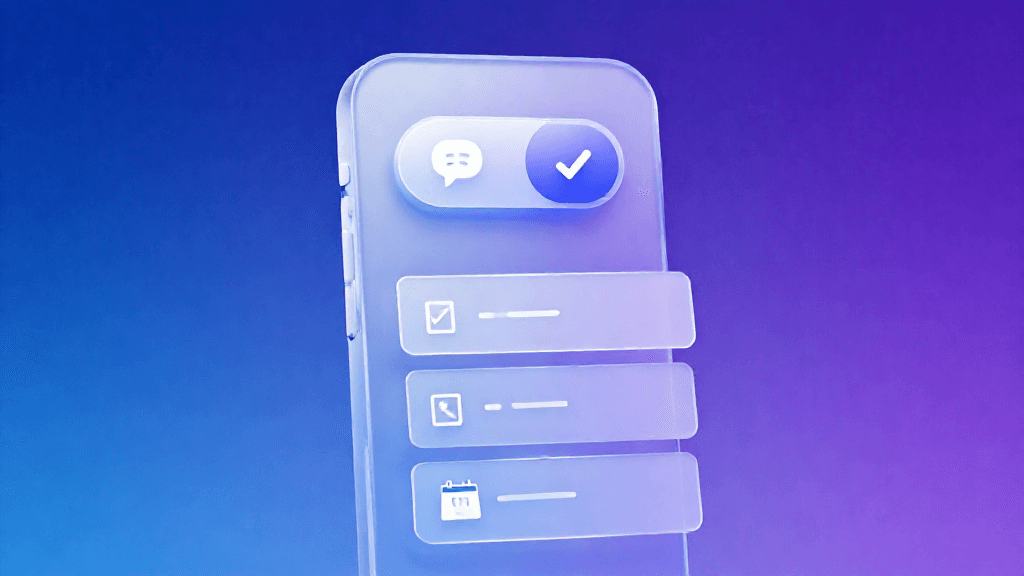
On November 17, 2026, Google published "Put Gemini to work for you," a first-person post by Josh Woodward announcing that Gemini's Task mode is rolling out free of charge to "hundreds of millions of people" in the U.S., Japan, Korea, Canada, Australia, and India. The mode runs on the new Gemini 4 Hydrogen model, which Evermx covered on November 14. To use it, you open Gemini, flip the home-screen toggle from Chat to Task, and describe what you want done. A second set of advanced features starts in the U.S.: phone calls to businesses, checkout with Google Pay, sign-in through Google Password Manager, and task intake by email or text message.
One attribution point matters. Google's post never uses the word "Spark." The Verge, in a report by Emma Roth, describes the launch as Google rebranding its Spark agent as "Tasks" and making it free, and says Spark, introduced in May, was previously limited to Google AI Pro and Ultra subscribers. Evermx covered the original Spark launch at I/O 2026 in May.
Feature Overview
Free Task Mode in Six Countries
According to Google, the base experience is free in the six listed countries and is powered by Gemini 4 Hydrogen. Google frames it for "anyone who has tasks piling up during all the classes, meetings, and school drop-offs that fill the day." The Verge lists the same countries and adds examples such as creating meal plans, managing a calendar, and digging through email to find recurring expenses.
U.S.-First Advanced Features
| Feature | What Google describes | Stated limits |
|---|---|---|
| Calls to businesses | Gemini finds nearby shops on Google Maps and calls them, disclosing right away that it is an AI | Businesses can opt out; calling is not available in Indiana, Louisiana, Minnesota, Montana, or Nebraska |
| Checkout | Purchases through Google Pay using the Agent Payments Protocol (AP2), with digital tokens on supported cards | Mastercard and Visa named; American Express "coming soon" |
| Spending control | A hard spending cap set upfront; Gemini is designed to stay within the budget | Card points, cashback, and purchase protections still apply, per Google |
| Receipts | Receipts and tracking info land in Google Wallet | Google says Wallet is expanding to iOS |
| Sign-in | Google Password Manager integration lets Gemini use logins you permit | Google's example has the user grant permission to a utility portal |
| Email intake | Forward emails to gemini@google.com | U.S. |
| Text intake | Text Gemini over RCS; set up under Settings, Channels, Text with Gemini | U.S.; requires a U.S. phone number on an eligible carrier |
The phone-call feature is the most visible change. In Woodward's example, Gemini called two dealerships at once, waited through hold music, and added an appointment to his calendar. Google says Gemini will not give out payment or private account information unless the user says so.
Connected Apps
Google says Gemini now connects with "more than 60 popular apps," and developers can apply to the Connected Apps Platform. Integration of the Universal Commerce Protocol (UCP) is described as "up next," so it has not shipped.
How Google Says Tasks Are Secured
Google's post describes layered controls. Each task runs on Google Cloud's Agent Compute Engine in a hardware-isolated virtual machine dedicated to the user's account and never shared with other users. Google says each VM is sandboxed and regularly tested by its security red teams. Around the sandbox sit prompt-injection filters that scan search results and webpages, plus Google Safe Browsing to limit which links Gemini can open.
On the user side, Gemini is designed to pause and ask for confirmation or pre-approval before critical steps such as clicking "Buy," and to ask clarifying questions when an instruction is ambiguous. For routine steps, users can choose "Always allow." Users can adjust task settings, disconnect Google and third-party apps, or delete chat history at any time. Google also points to a technical paper on its defense-in-depth approach and invites bug reports through its AI Vulnerability Reward Program.
Usability Analysis
Most of the post's evidence is anecdotal, and the anecdotes are Woodward's own. He describes a surprise $389 electric bill that Gemini traced, after reading billing statements in his email, to a heat pump running around 4 p.m. during peak pricing. He describes buying a USB-C charger through the Google Pay integration with an extra $10 saved from a discount code, and adding grocery items to an Instacart order by text message before Gemini handed him off to Instacart to finish. He also describes a 2019 Honda Odyssey service booking. These are personal examples from the author, not measured results.
Google is candid about limits. It says it has not eliminated all mistakes, that a task can fail or miss the mark, and that on some sites Gemini can make it most of the way through and then hand the screen back so the user clicks the final button. Google attributes this to websites still adapting to personal assistants, and says it is partnering with major websites and security providers on open, verifiable standards.
The pitch also carries a condition. Google argues that if your email, calendar, passwords, photos, files, and payment cards already live in its ecosystem, Gemini is the best choice because the data does not have to go elsewhere. That is Google's own claim. For people whose data sits mostly with other providers, the advantage Google describes applies less directly.
Pros and Cons
Strengths
- Free access in six countries, versus the paid tiers The Verge says Spark required
- A dedicated, isolated VM per account and confirmation pauses before steps like "Buy"
- A user-set spending cap, with AP2 tokenized payments and Wallet receipts
Limitations
- The calling, checkout, sign-in, email, and text features start in the U.S., and calling excludes five states
- Google says tasks can fail, and some sites return the final click to the user
- The convenience depends on keeping personal data inside Google's ecosystem
Outlook
Google lists UCP integration as the next shopping step and says it wants open, verifiable standards between assistants and websites. The Verge places the launch among other agent features from the past year, naming Claude Duet, OpenAI's Dots, and Meta's Muse. What to watch is how often tasks complete without the screen being handed back, how many sites cooperate, and whether the five-state calling exclusion and the Amex gap close.
Conclusion
Moving Task mode from paid tiers to free access across six countries is the substantive change, and the security design Google describes is more detailed than a typical launch post. The evidence for everyday reliability is still the author's own stories plus Google's admission that failures happen. It suits people already invested in Google's services who want to hand off calls, bookings, and routine purchases while keeping confirmation prompts on. Rating: 4 out of 5.
Editor's Verdict
Gemini Tasks Goes Free: AI Calls, Payments, Hydrogen Model earns a solid recommendation within the Gemini space.
The strongest case for paying attention: free access in six countries removes the subscription barrier that The Verge says kept Spark to Google AI Pro and Ultra subscribers. That alone raises the bar for what readers should expect in this space. Reinforcing that, tasks run in a hardware-isolated virtual machine dedicated to each account, with confirmation pauses before steps such as Buy — practical value rather than just headline appeal. The broader signal worth registering is straightforward: the headline change is access, since capabilities The Verge ties to Spark move from paid tiers to a free rollout in six countries. On the other side of the ledger, one constraint is real rather than a marketing footnote: calling, checkout, sign-in, email, and text features start in the U.S., and calling is unavailable in five states. It should factor into any serious decision. Layered on top of that, tasks can still fail, and Google says on some sites Gemini hands the screen back for the final click — which narrows the set of teams for whom this is an obvious yes.
For people whose email, calendar, and payment cards already live with Google, this is worth trying for calls, bookings, and routine purchases, with confirmation prompts left on.
Pros
- Free access in six countries removes the subscription barrier that The Verge says kept Spark to Google AI Pro and Ultra subscribers
- Tasks run in a hardware-isolated virtual machine dedicated to each account, with confirmation pauses before steps such as Buy
- A user-set spending cap and tokenized AP2 payments keep card points, cashback, and purchase protections in place, per Google
- Email forwarding and text intake give U.S. users two more ways to assign work beyond the app
Cons
- Calling, checkout, sign-in, email, and text features start in the U.S., and calling is unavailable in five states
- Tasks can still fail, and Google says on some sites Gemini hands the screen back for the final click
- The benefit Google describes depends on keeping email, calendar, passwords, and payment cards inside its ecosystem
References
Comments0
Key Features
1. Free Task mode: rolling out at no charge in the U.S., Japan, Korea, Canada, Australia, and India on Gemini 4 Hydrogen; switch the home-screen toggle from Chat to Task 2. AI calls to businesses (U.S.): Gemini discloses it is an AI, businesses can opt out, and calling is unavailable in Indiana, Louisiana, Minnesota, Montana, and Nebraska 3. Agent checkout (U.S.): Google Pay via the Agent Payments Protocol with Mastercard and Visa tokens, a user-set spending cap, and receipts in Google Wallet 4. Intake channels (U.S.): sign in through Google Password Manager, forward emails to gemini@google.com, or text Gemini over RCS 5. Isolation and confirmation: a hardware-isolated VM per account on Agent Compute Engine, prompt-injection filters, Safe Browsing, and pauses before critical steps like Buy
Key Insights
- The headline change is access, since capabilities The Verge ties to Spark move from paid tiers to a free rollout in six countries
- Google's own post never says Spark, so the rebrand framing is The Verge's reading rather than a Google statement
- Payments run on AP2 with digital card tokens and a spending cap, which keeps card rewards and purchase protections in play according to Google
- Calls to businesses come with an AI disclosure, a business opt-out, and a five-state exclusion, so availability varies by state as well as by country
- Google concedes tasks can fail and that some sites hand the final click back to the user, so full hands-off completion is not promised
- The post's concrete examples are the author's personal anecdotes, which are illustrations and not measured results
- Universal Commerce Protocol integration is listed as up next, so shopping flows described today rely on AP2 and Google Pay
Was this review helpful?
Share
Related AI Reviews
Google AI Mode Adds Temporary Threads for Private Queries
Google's AI Mode in Search gets temporary threads: sessions detached from your account, not saved to history or used for personalization.

Google Ask Maps Adds Trip Itineraries, Appointment Finding
Google's Ask Maps now builds day-by-day itineraries, adds route tips, finds appointments by calling businesses, and expands to 30 European countries.

Gemini 4 Hydrogen: Fast Model, Four Thinking Levels
Google's Gemini 4 Hydrogen targets everyday coding and agents at $1.50/$7.50 per million tokens, with four thinking levels and wide rollout.

Gemini Omni 1.2 Flash: 15-Second Video, 30% Lower Price
Longer 15-second clips, multi-turn editing and a $0.07-per-second 720p price headline Gemini Omni 1.2 Flash, now generally available.